Total Visits: 0 | Online Now: 0
Slide
Slide
Slide
Slide
Slide
Slide
Slide
Slide

THE STAINBURSTERS

LAUNDRY REDEFINED

Click the button below to locate our nearest accredited drop-off center around you

Locate Drop Point Center Around Me

Laundry Troubles? We’ve Got Solutions!

Explore expert tips to keep your clothes looking new

🧺 Professional Laundry Tips

Expand a category or use the filters to quickly find what you need — stains, smells, fading, shrinking, whitening, storage, ironing and general care.

Stain Removal Tips (60)
  • Treat fresh stains immediately; the longer they sit, the harder they set.
  • Blot, don’t rub — rubbing drives stains deeper into fibers.
  • Oil/grease: cover with baking soda or cornstarch to draw out oils, then wash.
  • Grease on cotton: rub a drop of dish soap into the spot before laundering.
  • Ink: dab with isopropyl alcohol on the back of the fabric; rinse cold and wash.
  • Ballpoint ink: hand sanitizer (alcohol-based) works in a pinch — blot, rinse, launder.
  • Permanent marker: try alcohol then oxygen bleach; test colorfastness first.
  • Red wine: blot, flood with cold water, cover with salt, rinse, then wash.
  • White wine on whites: flush with cold water; pre-treat with enzyme detergent.
  • Coffee: soak in cool water + a spoon of vinegar, then detergent and warm wash.
  • Tea: pre-treat with lemon juice or peroxide on whites; rinse and wash.
  • Blood (fresh): rinse in cold water only; enzyme detergent pre-soak.
  • Blood (dried): paste of hydrogen peroxide + baking soda; let fizz, then rinse cold.
  • Chocolate: scrape solids; treat with dish soap; wash warm if fabric allows.
  • Tomato sauce: remove solids, rinse from the back with cold water, then treat with detergent.
  • Greasy pizza cheese: dish soap + warm water spot treatment, then normal wash.
  • Mustard: glycerin helps loosen yellow dye; follow with enzyme detergent.
  • Ketchup: soak in cold water with a little detergent; avoid hot water initially.
  • BBQ sauce: pre-treat with enzyme detergent; launder warm if safe.
  • Grass: dab with rubbing alcohol; then detergent rub-in and wash.
  • Mud: let dry completely, brush off, then pre-treat remaining mark.
  • Clay: soak in warm water with oxygen bleach; avoid heat until fully removed.
  • Rust: lemon juice + salt paste; sun for 30 minutes, then rinse and wash.
  • Sweat stains: paste of baking soda + peroxide + water on armpits; wait 30 mins.
  • Deodorant marks: rub gently with a clean dryer sheet or damp cloth with vinegar.
  • Yellowing collars: enzyme pre-soak, then hot wash if fabric allows.
  • Makeup (foundation): shave cream or dish soap pre-treat; rinse and wash.
  • Lipstick: alcohol-based hairspray blot, then detergent; test delicate fabrics.
  • Nail polish: use non-acetone remover on color-safe areas; blot on towel underneath.
  • Paint (water-based): flush with water quickly, then launder.
  • Paint (oil-based): mineral spirits carefully; rinse; then detergent wash (test first).
  • Highlighter: rubbing alcohol; rinse; then mild detergent wash.
  • Candle wax: harden with ice; scrape; place between paper towels; warm iron to lift.
  • Gum: freeze with ice; chip away; treat remaining spot with oil/detergent.
  • Glue (white school): soak in warm soapy water; peel; wash.
  • Superglue: acetone on cotton (spot test), gently break the bond, then wash.
  • Greasy cuff/collar: pre-treat with liquid detergent; scrub with soft brush.
  • Fruit juice: cold-water flush; enzyme soak; launder warm if safe.
  • Berry stains: lemon juice or vinegar pre-treat; rinse; wash cool first.
  • Pomegranate/beet: oxygen bleach soak; avoid chlorine bleach on colors.
  • Turmeric: glycerin pre-treat; oxygen bleach soak; patience required.
  • Curry: dish soap on oils + oxygen bleach on dyes; repeat before drying.
  • Soy sauce: cold flush; enzyme pre-soak; warm wash.
  • Fish sauce: pre-treat with vinegar + detergent; wash warm.
  • Butter: scrape excess; dish soap rub; warm wash.
  • Mayonnaise: enzyme detergent rub-in; wash warm.
  • Salad dressing: dish soap on oil; rinse; enzyme wash.
  • Greasy mechanic stains: automotive hand cleaner (non-abrasive) pre-treat; wash hot if safe.
  • Road tar: cooking oil to loosen; scrape; follow with detergent wash.
  • De-icing salt marks: white vinegar rinse; then wash.
  • Grass + mud combo: dry/brush mud first, then treat grass dye with alcohol.
  • Dye transfer: oxygen bleach soak; avoid heat until fully gone.
  • Bleach spots can’t be “removed”; recolor with fabric dye or patch.
  • Wine on carpet: club soda blot; then mild detergent solution (for home textiles).
  • Unknown stain: start with cold water flush; then mild detergent; escalate to alcohol/oxygen bleach.
  • Silk stains: spot-test; use silk-safe detergent; avoid alcohol/enzymes unless approved.
  • Wool stains: cold water; wool-safe detergent; avoid agitation.
  • Leather/suede: blot only; specialty cleaner; avoid water saturation.
  • Check progress before drying — heat sets remaining stains permanently.
Odor & Freshness Tips (30)
  • Add ½ cup baking soda to the wash to neutralize musty odors.
  • Use ½–1 cup white vinegar in the rinse cycle to cut sweat smells.
  • Pre-soak gym wear 30 minutes in 1:4 vinegar:water before washing.
  • Leave washer door/lid open after use to prevent mildew growth.
  • Clean the washer monthly with hot water + vinegar or machine cleaner.
  • Sun-dry when possible — UV helps kill odor-causing microbes.
  • Don’t let wet laundry sit in the drum; move to dryer promptly.
  • Wash towels separately to avoid trapping odors in clothing.
  • Use enzyme detergents for protein-based sweat odors.
  • Add a tablespoon of oxygen bleach for stubborn smells.
  • Deep-clean the detergent drawer and door gasket (front loaders).
  • Dry completely before folding — damp folds cause mildew.
  • Activated charcoal bags help deodorize closets and drawers.
  • Vodka mist (light spray) can neutralize odors on non-washables.
  • Air garments outside before re-wearing to release trapped odors.
  • Use distilled water in steamers to avoid mineral smell.
  • Wash pet bedding separately and more frequently.
  • Hot water (if fabric allows) helps remove stubborn odors.
  • Switch to fragrance-free if perfume just masks bad odors.
  • Avoid overloading — odor removal needs water circulation.
  • Rinse twice if detergent residue is causing smell.
  • Store workout wear breathable — avoid sealed bags when damp.
  • Replace old sponges/brushes used for pre-treating — they harbor smell.
  • Clean lint trap and vent; poor drying leaves a damp smell.
  • Deodorize shoes with baking soda overnight; tap out before wearing.
  • For smoke odor: soak in 1 cup vinegar + water, then oxygen bleach wash.
  • Use dryer balls to increase airflow and drying efficiency.
  • Consider antimicrobial detergents for long-standing odor issues.
  • De-scale washers in hard-water areas to reduce odor films.
  • Replace old towels periodically — embedded oils can persist.
Color & Fading Care (30)
  • Wash darks in cold water to preserve dyes.
  • Turn garments inside out to reduce abrasion fading.
  • Use detergents formulated for dark colors.
  • Avoid overdrying in sun; UV accelerates fading.
  • Air-dry in shade or indoors for color longevity.
  • Sort bright colors separately from darks and whites.
  • Use color-catcher sheets to trap loose dye.
  • Salt or vinegar in first wash may help set some dyes (always test).
  • Wash jeans infrequently; spot clean between wears.
  • Use gentle cycles for delicate dyed items.
  • Cool iron on the inside to prevent shine.
  • Avoid chlorine bleach on anything colored.
  • Oxygen bleach is safer for color-brightening.
  • Choose liquid detergents — powders can leave visible residue.
  • Hard water dulls colors — consider a softener/conditioner.
  • Do not soak colored garments for excessively long periods.
  • Wash prints and graphics inside out to protect inks.
  • Use mesh bags for delicate knits to avoid friction fade.
  • Lower spin speed to reduce micro-abrasion.
  • Rinse thoroughly — detergent residue looks dull/gray.
  • Keep irons clean; residue can cause shine marks.
  • Dry on low heat — high heat fades synthetic dyes.
  • Use fabric softener sparingly; buildup can look dull.
  • Pre-treat stains carefully to avoid color lift.
  • Test colorfastness before stain removers on brights.
  • Separate “lint givers” (towels) from dark “lint magnets.”
  • Line-dry pants from the cuffs to reduce color streaks.
  • Store away from direct sunlight to prevent storage fade.
  • Refresh blacks with dye restorer when needed.
  • Always check labels — some dyes bleed even in cold.
Shrinkage & Fabric Care (30)
  • Use cold water for wool and delicate fibers.
  • Lay sweaters flat on a towel to dry; reshape while damp.
  • Avoid high heat drying on cottons and blends.
  • Choose gentle/delicate cycles to reduce agitation.
  • Do not wring knits; roll in a towel to remove water.
  • Steam instead of wash when clothes are only wrinkled.
  • Use mesh bags for delicates to limit stretching.
  • Check labels — some fabrics require dry clean only.
  • Pre-shrink fabrics (hot wash/dry) before sewing projects.
  • For accidental shrink: soak in conditioner water, gently stretch back.
  • Use low-spin speeds for knits and wool.
  • Skip the dryer for rayon/viscose to avoid distortion.
  • Choose cool tumble/air fluff to be safe on mixed loads.
  • Wash like-with-like weights to reduce stress on garments.
  • Hot water shrinks natural fibers fastest — avoid unless needed.
  • Dry wool away from direct heat sources.
  • Silk: hand wash cool with silk-safe detergent; no twisting.
  • Linen: wash cool; press damp to keep shape.
  • Cashmere: hand wash cool; flat dry on a mesh rack.
  • Down jackets: low heat with dryer balls; fluff gradually.
  • Activewear: avoid heat; elastane loses recovery with high temps.
  • Denim: wash cold; hang dry to maintain fit.
  • Pre-wash new cotton tees to account for shrink before tailoring.
  • Use fabric softener sparingly — can affect drape on knits.
  • Block knits to size while drying (pin to measurements).
  • Never hang wet heavy knits — they’ll grow long.
  • Weighted drying clips can distort hems; avoid on delicates.
  • Use garment racks with wide bars to avoid crease set-in.
  • Test a small area before hot-water stain treatment on wool/silk.
  • Store knits folded, not hung, to keep shape.
Whitening & Brightening (30)
  • Use oxygen bleach to brighten whites safely.
  • Add lemon juice to the wash to boost brightness naturally.
  • Sun-dry whites — UV naturally whitens.
  • Hydrogen peroxide works as a mild non-chlorine bleach.
  • Pre-soak dingy whites in warm water + baking soda.
  • Blueing agents counteract yellowing for crisp whites.
  • Wash whites separately to prevent dye transfer.
  • Hot water (if label allows) helps lift body oils.
  • Use adequate water level — crowded loads don’t rinse dullness.
  • Double rinse to remove detergent/softener film.
  • Spot-treat armpits with peroxide+baking soda paste.
  • Boil white cotton socks with lemon slices for extra brightness.
  • Avoid chlorine bleach on elastics — causes yellowing over time.
  • Switch to powder with optical brighteners for towels/sheets.
  • Use a water softener in hard-water areas to prevent graying.
  • Keep whites away from metal fasteners that can rust-stain.
  • Wash pillows twice (wash+rinse) to remove soap residue.
  • Pre-treat cuff/collar ring with liquid detergent before wash.
  • Don’t overload — soils redeposit and dull fabric.
  • Refresh aging whites with a specialty white restorer soak.
  • Vinegar rinse helps clear dulling residues.
  • Dry fully; damp storage leads to yellow mildew spots.
  • Separate linty whites (towels) from t-shirts to keep t’s smooth.
  • Use mesh bags for delicate white lingerie to avoid snags/gray marks.
  • Rotate detergent brands occasionally to avoid buildup.
  • Clean the washer drum; soil film can redeposit gray.
  • Pre-wash new white tees before wear to remove finish.
  • For white sneakers: paste of baking soda + detergent; scrub; rinse.
  • Replace old yellowed elastics rather than bleach them.
  • Store whites away from sunlight to prevent storage yellowing.
Storage & Closet Care (30)
  • Store only when garments are fully dry to prevent mildew.
  • Use breathable cotton garment bags, not plastic.
  • Cedar blocks/balls help deter moths naturally.
  • Silica gel packs reduce closet humidity.
  • Fold knits; hang wovens to maintain shape.
  • Use wide, contoured hangers for coats/jackets.
  • Button shirts and zip zippers before hanging to avoid warping.
  • Rotate stacked tees to avoid permanent creases.
  • Keep closets cool, dark, and dry to avoid fading and mildew.
  • Avoid direct sunlight on exposed racks.
  • Store shoes separately to keep garments odor-free.
  • Clean drawers and shelves quarterly to remove dust transfer.
  • Use drawer liners to prevent dye transfer from wood.
  • De-pill knits before storing long-term.
  • Stuff boots with inserts to maintain shape.
  • Hang pants from cuffs or fold over wide bars to avoid lines.
  • Never hang heavy wet garments; dry flat first.
  • Label seasonal bins and use airtight boxes for pests.
  • Wash before long-term storage to remove oils that attract moths.
  • Use vacuum bags carefully — can crease delicate items.
  • Tie straps together on slinky dresses to prevent slipping.
  • Use velvet hangers for silky fabrics that slide.
  • Keep a small dehumidifier in very damp closets.
  • Allow airflow around garments — don’t pack too tightly.
  • Store whites away from wood/colored paper that can yellow.
  • Keep leather ventilated and conditioned; avoid sealed plastic.
  • Place sachets (lavender) for fresh scent without heavy perfume.
  • Rotate garments seasonally to reduce wear points on hangers.
  • Check stored items quarterly for pests or moisture.
  • Keep lint rollers handy to maintain a tidy look.
Ironing & Pressing (30)
  • Iron slightly damp fabrics for best results.
  • Use the correct heat setting per care label.
  • Steam helps relax cotton and linen wrinkles fast.
  • Press (lift and place) rather than drag on delicate fabrics.
  • Use a pressing cloth for silk, satin, and prints.
  • Iron dark clothes inside out to prevent shine.
  • Distilled water in irons prevents mineral buildup.
  • Start with collars, cuffs, and plackets on shirts.
  • Set pleats with low heat and steam; avoid over-pressing.
  • Use a sleeve board for tailored arms.
  • Clean your iron plate regularly to avoid residue marks.
  • Let garments cool on a hanger to set the press.
  • For wool, use steam + light pressure; avoid flattening nap.
  • For linen, high steam + pressing cloth for crisp finish.
  • Avoid ironing sequins, decals, or glued embellishments directly.
  • Use a steamer on suits and delicate dresses.
  • Hang in a steamy bathroom to release light wrinkles naturally.
  • Use starch sparingly; too much can attract soil.
  • Press hems from inside to avoid edge shine.
  • Match board cover padding to reduce impression marks.
  • Use clapper (wood block) for sharp creases on wool.
  • Iron around buttons/snaps — don’t press directly.
  • Lower heat for synthetics; they can melt/shine.
  • Test on an inconspicuous area first with new fabrics.
  • Keep the iron moving to prevent scorching.
  • Use vertical steam to refresh between wears.
  • Press seams open on tailored pieces for a flat look.
  • Store iron unplugged and empty to prevent leaks.
  • Replace scorched board covers to avoid transfer.
  • For velvet/corduroy, steam from the back — never press pile.
General Laundry Best Practices (60)
  • Always read and follow garment care labels.
  • Sort by color, fabric weight, and soil level.
  • Don’t overload the washer — clothes need water to circulate.
  • Measure detergent; too much causes residue and dullness.
  • Use mesh bags for small/delicate items.
  • Close zippers and fasten hooks to prevent snags.
  • Empty pockets; tissues and pens ruin loads.
  • Pre-treat stains before the main wash.
  • Choose the right cycle — gentle for delicates, heavy for towels.
  • Use cold water for most loads to protect fabric and color.
  • Warm/hot only when sanitation or heavy soil requires it.
  • Rinse twice if you notice residue or skin sensitivity.
  • Clean the lint trap every dryer cycle to improve airflow.
  • Use dryer balls to reduce drying time and static.
  • Air-dry when possible to extend garment life.
  • Shake out garments before drying to reduce wrinkles.
  • Remove promptly from dryer to avoid creasing.
  • Line-dry shirts on hangers to reduce ironing time.
  • Use towels to help dry heavy items faster (absorb moisture).
  • Wash bedding weekly; hot water if allergies/illness present.
  • Wash towels every 3–4 uses; avoid softener (reduces absorbency).
  • Use enzyme detergents for food/sweat soils.
  • Use hypoallergenic detergent for sensitive skin.
  • Calibrate detergent for load size and water hardness.
  • Descale the washer in hard-water regions quarterly.
  • Check colorfastness before soaking with any additive.
  • Use a stain stick in your bag for quick spot treatment.
  • Keep a laundry timetable to avoid overfilled laundry days.
  • Pre-sort bins: whites, darks, colors, delicates.
  • Wash microfibers and linty towels separately.
  • Secure bra hooks and use lingerie bags to save lace.
  • Wash shoes only if labeled machine-washable; air-dry.
  • Sanitize the laundry basket periodically.
  • Replace old detergents/softeners past shelf life.
  • Use a small brush for collars/cuffs pre-treating.
  • Keep a dedicated scoop for oxygen bleach.
  • Never mix ammonia with bleach — toxic gas.
  • Vent the dryer properly to prevent moisture/mold.
  • Check for escaped socks in the door seal (front loaders).
  • Weigh down duvets with dryer balls for balanced tumbling.
  • Button pillowcases before washing to prevent twisting.
  • Wash curtains periodically to control dust/allergens.
  • Use cold quick-wash only for lightly soiled items.
  • Avoid fabric softener on activewear; it clogs fibers.
  • Pre-soak heavily soiled workwear for better results.
  • Keep stain-specific products (enzyme, oxygen, solvent) on hand.
  • Label kids’ uniforms inside to prevent mix-ups.
  • Zip up hoodies to protect drawstrings from knotting.
  • Use gentle spin for delicate dresses to avoid stretch.
  • Hang-dry shirts by the hem to avoid shoulder bumps.
  • Use a laundry net for socks to stop “missing sock” syndrome.
  • Iron or fold immediately for a crisp wardrobe.
  • Refresh with a steamer between full washes to save wear.
  • Keep a sewing kit near laundry for quick button fixes.
  • Photograph care labels for dry-clean-only items you send out.
  • Record stain origin/time — helps choose the right remover.
  • Test any new product on an inside seam first.
  • Teach household members the basics to prevent mistakes.
  • Schedule seasonal deep-cleans of machines and closets.
  • When unsure, under-heat and under-agitate — you can repeat safely.
Eco-Friendly & Cost-Saving Tips (30)
  • Wash full loads to save water and energy.
  • Use cold water for most cycles to cut power use.
  • Air-dry when possible — zero energy and gentler on clothes.
  • Use dryer balls to reduce drying time.
  • Choose concentrated detergents to reduce packaging.
  • Refill containers at bulk stores if available.
  • Measure accurately — overuse wastes money and rinses poorly.
  • Repair garments (buttons, hems) to extend lifespan.
  • Spot clean to delay full washes when appropriate.
  • Use gray water (where legal/safe) for preliminary rinses.
  • Install a water softener if hardness is high — improves efficiency.
  • Clean lint filters and vents — faster, cheaper drying.
  • Choose ENERGY STAR machines for long-term savings.
  • Wash during off-peak hours if tariffs vary.
  • Line-dry indoors in rainy seasons with good ventilation.
  • Use eco-cycles and lower spin speeds when possible.
  • Pre-treat stains to avoid rewashing.
  • Batch ironing to warm the iron once for many items.
  • Keep doors/windows open when sun-drying to circulate air.
  • Use natural whiteners (lemon, sunlight) before harsher products.
  • Donate or upcycle garments rather than discard.
  • Choose durable basics that withstand more washes.
  • Store properly to avoid damage (moths, mildew) and replacement cost.
  • Use a drying rack to avoid shrink/energy use.
  • Wash at 30°C/86°F where hygiene allows.
  • Use washable lint rollers instead of disposables.
  • Mix vinegar with water for a simple fabric rinse.
  • Switch off iron between items while repositioning.
  • Plan laundry days to avoid frequent partial loads.
  • Educate the household — savings grow when everyone helps.

🧩 Common Laundry Problems & Best Solutions

🩸 Blood Stains

Use cold water only. Soak in salt water, then treat with hydrogen peroxide before washing.

🛢 Oil & Grease Stains

Apply dish soap directly, let it sit, then wash with hot water. Repeat if needed before drying.

🖊 Ink & Pen Marks

Dab with rubbing alcohol or hand sanitizer using a cotton ball. Blot gently until the ink lifts, then launder with enzyme detergent.

🍫 Chocolate Stains

Scrape off excess, treat with stain remover or detergent, soak in warm water, and wash.

🧥 Fading Colors

Turn clothes inside out before washing. Use cold water and color-protecting detergent.

🧦 Shrinking Clothes

Avoid hot water and high-heat drying. Use delicate or air-dry settings instead.

☕ Coffee & Tea Stains

Soak in cold water, then apply liquid detergent and white vinegar. Wash as usual in warm water.

🍷 Red Wine Stains

Blot immediately. Cover with salt to absorb, then rinse with cold water and wash with detergent.

🌧 Mud & Dirt Stains

Let dry, brush off dirt, soak in water with detergent, scrub gently, and rinse clean.

🧴 Deodorant Stains

Use white vinegar or lemon juice, scrub gently with a brush before washing normally.

👕 Yellow Underarm Stains

Mix baking soda, hydrogen peroxide, and water into a paste. Apply and let sit for 30 mins before washing.

💄 Makeup Stains

Blot with shaving cream or dish soap. Let sit for 10 mins, then rinse and wash.

🌿 Grass Stains

Pre-treat with rubbing alcohol or vinegar. Rub liquid detergent into the stain and rinse thoroughly.

🧺 Musty/Mildew Smell

Wash with vinegar and baking soda in hot water. Dry completely in fresh air or sun.

🔥 Burn or Scorch Marks

Soak in cold water with vinegar and baking soda. Gently scrub and repeat. Severe burns may not be reversible.

🧽 Detergent Residue

Use less detergent and add a vinegar rinse cycle to clear out build-up from clothes and machine.

💅 Nail Polish Stains

Place paper towel under the stain, dab with non-acetone remover. Rinse and wash immediately.

👶 Baby Food or Formula Stains

Pre-treat with baking soda paste, let it sit for 15 mins, then wash using hot water (if fabric allows).

🧈 Butter & Oil Stains

Sprinkle cornstarch to absorb oil. Scrape, then treat with dish soap and warm water before washing.

💧 Hard Water Residue

Use vinegar rinse or water softener. It prevents white chalky spots and fabric stiffness.

👃 Clothes Smell After Washing

Don’t overload the washer. Add white vinegar during rinse cycle and dry clothes immediately.

🧥 Fading Dark Clothes

Turn inside out, wash in cold water with vinegar, and avoid the dryer. Use color-protecting detergent.

🧶 Wool Shrinking

Wash gently in cold water by hand. Lay flat to dry. Never wring or use hot water.

🦠 Odor From Dirty Washer

Run an empty cycle with hot water, vinegar, and baking soda. Clean door seal and detergent tray.

Our Core Services

At The StainBursters, we offer professional laundry and cleaning solutions designed to fit your busy lifestyle. From quick washes to doorstep pickups, we make sure your clothes stay fresh, clean, and ready to wear.

Express Wash

Same-day and next-day wash service for when you need your clothes ready in a flash.

Premium Dry Clean

Gentle, fabric-safe cleaning for suits, gowns, and special garments that need expert care.

Drop-off / Pick-up Points

Convenient centers across the city where you can easily drop and collect your laundry.

Doorstep Pickup

Sit back and relax — we’ll come to your home or office to collect and deliver your laundry.

How It Works

Using The StainBursters is simple — just locate a drop-off center, leave your clothes with us, and we’ll take care of the rest. Here’s how:

1. Locate a Drop-off Center

Use our “Find Drop Point” tool to locate the nearest StainBursters outlet around you.

2. Drop Your Clothes

Simply hand in your laundry at the selected outlet — no long forms, no hassle.

3. We Do the Cleaning

Our team uses expert methods and stain-busting technology to refresh your clothes.

4. Get Notified

We’ll alert you as soon as your clothes are spotless and ready for collection.

5. Pick Up & Enjoy

Collect your fresh, clean laundry at your convenience — ready to wear, stress-free.

Our Mission

Making Laundry Easy, Affordable & Accessible

At The StainBursters, our mission is simple yet powerful: to make laundry patronage easy for everyday people. We’re building a network of convenient outlets and doorstep drop-off centers so that laundry is no longer a stress, but a service within your reach.

By combining affordability, quality care, and eco-friendly technology, we ensure that every wash delivers freshness, convenience, and confidence — for you and your family.

Our Mission

Why Choose StainBursters?

Unmatched Fabric Care - StainBursters Laundry Service

Unmatched Fabric Care

We treat every garment like royalty — using precision equipment and trained professionals for a flawless clean.


Eco-Friendly Excellence - StainBursters Laundry Service

Eco-Friendly Excellence

Our biodegradable detergents and water-efficient processes keep your clothes and the planet safe.

Speed + Reliability - StainBursters Laundry Service

Speed + Reliability

With streamlined logistics, you get quick pickups and timely returns — without any quality compromise.

Trusted by Households - StainBursters Laundry Service

Trusted by Households

Thousands of customers trust StainBursters weekly — we’ve earned our 5-star rating through consistency and care.

Advanced Stain Removal - StainBursters Laundry Service

Advanced Stain Removal

From oil to wine to ink, our stain removal is powered by deep fabric science and spot-specific agents. We don’t just mask stains — we eliminate them.

Attention to Detail - StainBursters Laundry Service

Attention to Detail

Every piece is manually checked before return — no loose buttons, no missed spots. Perfection is our bare minimum.

Behind the Scenes

Detergent in use
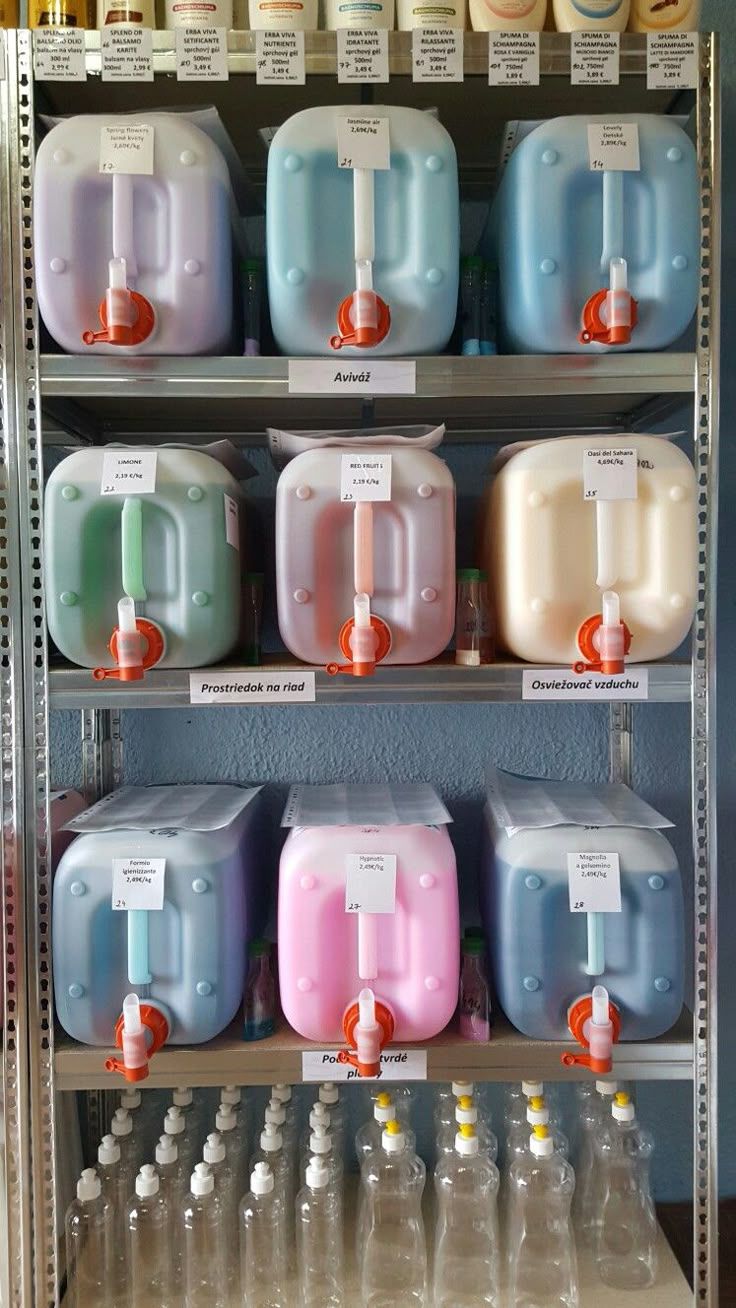
Laundry chemicals loading=
Express delivery service
Happy customer
Laundry table setup
Washing machine at work
Stainbursters office
Premium laundry service
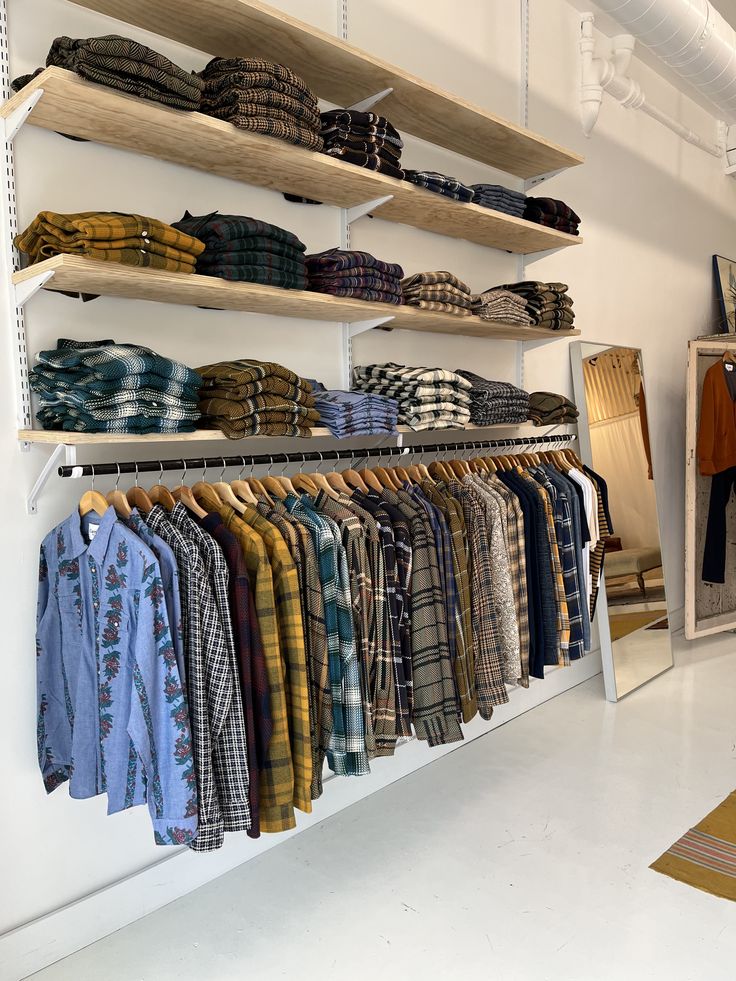
Organized laundry shelf
Laundry store
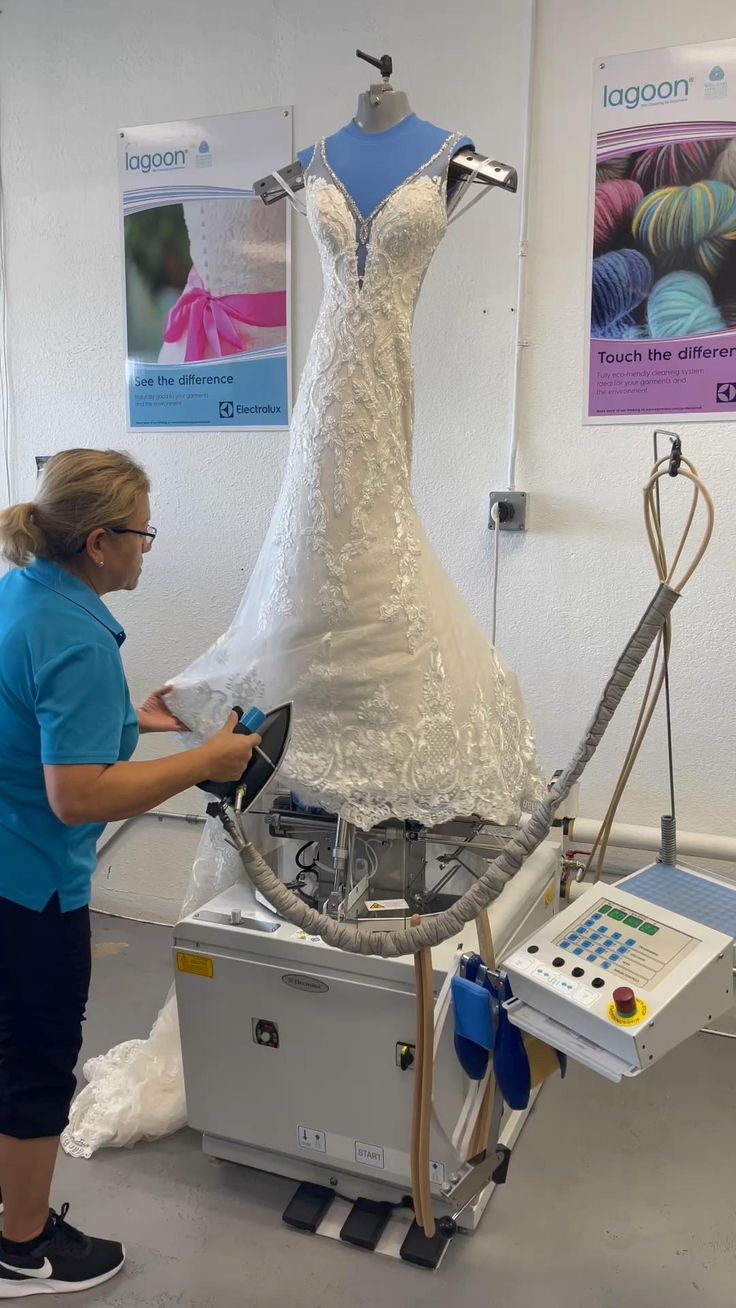
Wedding gown cleaning
Thank you from Stainbursters

Frequently Asked Questions

How long does it take to get my laundry back?
Standard turnaround is 24–48 hours. Express same-day options are available for urgent needs.
Do you provide pickup and home delivery services?
Yes — we offer doorstep pickup and delivery, available 7 days a week in select service areas.
What payment methods are accepted?
We accept cash, POS, bank transfers, and secure online payment gateways.
Can you handle delicate fabrics like silk and wool?
Yes, our team uses specialized techniques and eco-friendly products for delicate and luxury fabrics.
Do you provide ironing or pressing services only?
Yes, you can request ironing-only service for neatly pressed clothes without full washing.
Can I schedule recurring pickups?
Absolutely — we offer weekly or bi-weekly subscriptions for households and businesses.
Do you handle corporate or hotel laundry services?
Yes, we serve hotels, restaurants, salons, schools, and offices with bulk laundry and dry-cleaning solutions.
What happens if an item gets lost or damaged?
We follow strict handling protocols. In rare cases, compensation or credit is provided based on our service policy.
Can I request stain removal for tough spots?
Yes, we specialize in removing oil, grease, wine, and other stubborn stains using safe techniques.
Is there a minimum order requirement?
No minimum order is required, but free delivery applies only for orders above a certain value.
Do you clean shoes, bags, or household items?
Yes, we clean shoes, duvets, curtains, carpets, and other non-clothing items.
Can I track my order status online?
Yes, simply log in to your account or mobile app to monitor order progress in real time.
What if I’m not home during delivery?
We can reschedule delivery or drop off at your security/neighbor based on your instructions.
Are your detergents safe for sensitive skin?
Yes, we use hypoallergenic detergents and can apply fragrance-free options upon request.
Do you offer refunds if I’m not satisfied?
Customer satisfaction is guaranteed. If issues arise, we offer free re-cleaning or partial refunds as applicable.
Can I get laundry service for events or uniforms?
Yes, we cater for uniforms, event outfits, choir robes, and bulk cleaning for special occasions.
Do you provide eco-friendly or water-saving laundry?
Yes, we invest in modern machines that reduce water and energy usage while protecting clothes.
How do you handle mixed-color clothes?
Clothes are sorted by color, fabric, and wash type to prevent fading or bleeding issues.
Can I cancel or change my order after booking?
Yes, orders can be modified or canceled up to 1 hour before pickup time without penalty.
Do you provide packaging or folding services?
Yes, all clean clothes are neatly folded or hung, and carefully packaged for freshness.

What Customers Say